
When a typhoon hits Hong Kong and schools are suspended, parents often find themselves in a whirlwind of challenges. Keeping young children aged 1-6 engaged and active is crucial for their physical health and mental well-being. Fortunately, there are plenty of fun, safe, and age-appropriate activities that don't require special equipment. Let’s explore some creative ways to keep your little ones active at home during these stormy days.

1. Indoor Obstacle Course
Transform your living space into an indoor obstacle course using cushions, chairs, and blankets.
How to Set It Up:
- Cushion Hopping: Lay cushions on the floor for your child to jump from one to another.
- Under 3: Use larger cushions to ensure safety and encourage them to crawl or walk over them.
- Over 3:Challenge them to jump from one cushion to another without touching the ground.
- Tunnel Crawl: Use chairs and blankets to create a tunnel for them to crawl through.
- Under 3: Keep the tunnel short and encourage them to crawl while you cheer them on.
- Over 3: Make the tunnel longer and add a fun twist, like crawling while pretending to be a caterpillar.
- Balance Beam: A straight line of tape on the floor can serve as a balance beam for them to walk along.
- Under 3: Use a wider tape line for easier balance.
- Over 3: Make it more challenging by adding a narrow tape line or asking them to walk backward.
Benefits:
This activity promotes physical exercise, coordination, and problem-solving skills.

2. Dance Party
A dance party is a fantastic way to burn off energy while having fun.
How to Organise:
- Create a playlist of their favourite songs or use a music streaming service.
- Encourage them to dance freely or introduce simple dance moves for them to follow.
Variations:
- Under 3: Use soft, rhythmic songs and encourage simple movements like clapping or swaying.
- Over 3: Introduce fun dance challenges, like hopping on one foot or spinning in circles.
Benefits:
Dancing improves motor skills, rhythm, and overall fitness while allowing kids to express themselves.

3. Weather-Themed Arts and Crafts
Engage children with arts and crafts that relate to the weather.
Ideas:
- Typhoon Wind Art: Use paper plates and markers to create wind wheels.
- Under 3: Assist them with decorating and cutting out the wind wheels.
- Over 3: Let them design their own patterns and colours, then take them outside (if safe) to see how the wind affects them.
- Rainy Day Painting: Use blue, grey, and white paints to create a rain-themed masterpiece.
- Under 3: Use finger paints for a tactile experience.
- Over 3: Introduce brushes and different techniques like splatter painting to mimic rain.
Benefits:
These activities nurture creativity and fine motor skills while teaching kids about weather phenomena.

4. Movement Games
Incorporate movement games that require minimal space and no special equipment.
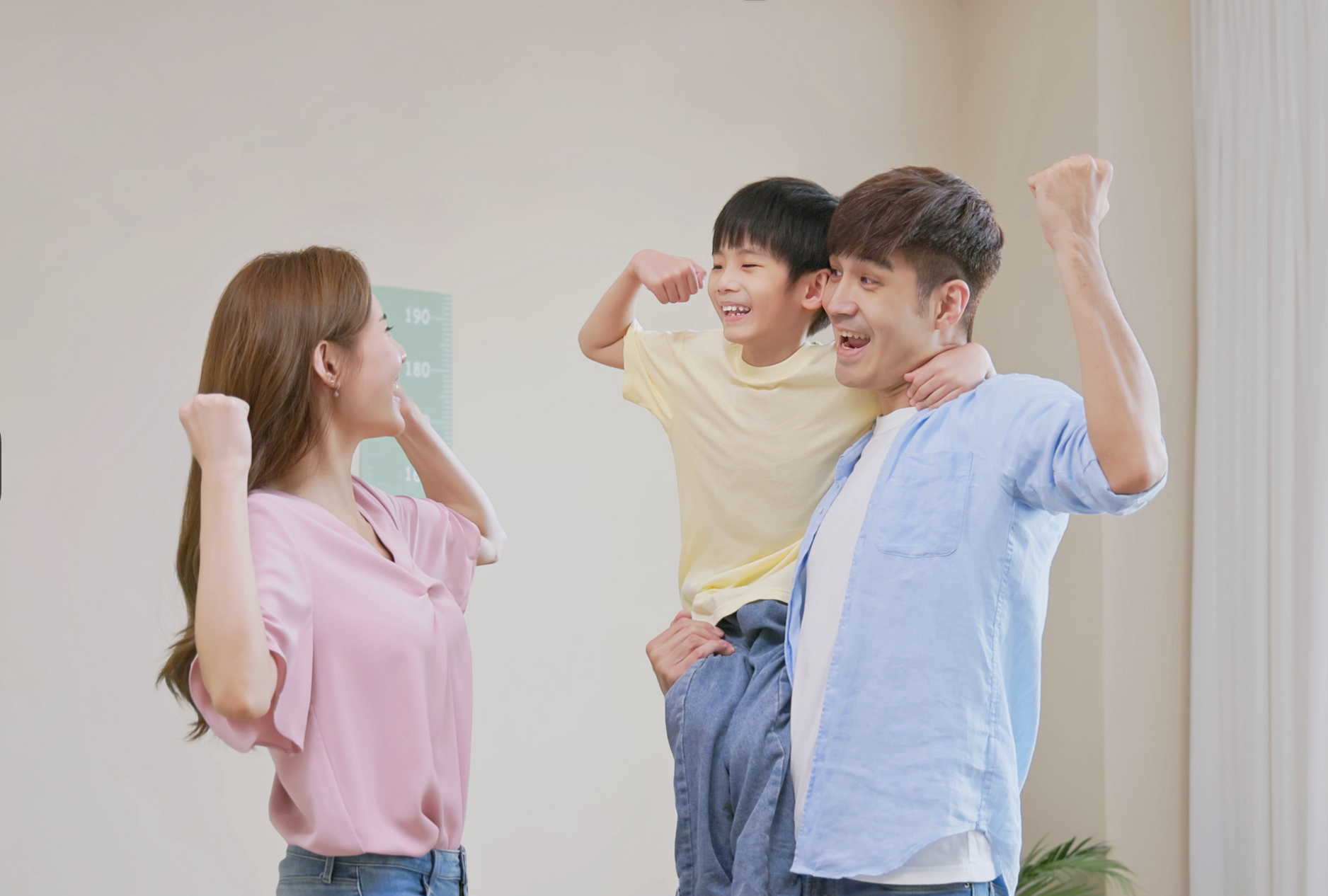
Simon Says
How to Play:
- Choose a Leader: Designate one person to be "Simon." This person will give commands to the other players.
- Give Commands: The leader says, "Simon says, [command]." For example:
- "Simon says touch your toes."
- "Simon says hop like a frog."
- "Simon says spin around."
- Without "Simon Says": If the leader gives a command without saying "Simon says," players should not follow it. Anyone who does is out or must perform a fun "penalty" task, like clapping their hands or doing a silly dance.
Variations:
- Under 3: Use simple commands and allow them to copy you visually. Commands can be demonstrated rather than verbalized.
- Over 3: Introduce a theme, such as animal movements (e.g., "Simon says wiggle like a worm") or a color theme where they must find something that matches the colour before performing the action.

Freeze Dance
How to Play:
- Select Music: Choose a fun playlist that your child enjoys. Make sure the songs are upbeat and energetic.
- Dance Time: Start the music and encourage everyone to dance freely. You can join in to make it more fun!
- Freeze: When the music stops, everyone must freeze in place. Anyone who moves is out until the next round.
- Restart the Music: Start the music again and repeat
Variations:
- Under 3: Play slower-paced songs and allow them to dance freely without worrying about freezing. Focus on enjoying the movement.
- Over 3: Introduce different dance styles for each round (e.g., ballet, hip-hop, silly dance). You can also play a game where they must freeze in a specific pose (like an animal or superhero).

Follow the Leader
How to Play:
- Choose a Leader: Designate one child or an adult to be the leader.
- Set Off: The leader performs various movements that everyone must imitate. This can include walking, jumping, crawling, or dancing.
- Change Leaders: After a few minutes, rotate the leader so everyone gets a chance.
Variations:
- Under 3: Keep movements simple and repetitive, focusing on actions like clapping hands or stomping feet.
- Over 3: Introduce more complex movements, like skipping or doing an animal walk (e.g., bear crawl, crab walk), and encourage the leader to come up with new movements each time.

Animal Charades
How to Play:
- Choose Animals: Before starting, compile a list of animals (either verbally or by drawing pictures).
- Act It Out: One child picks an animal and acts it out without speaking, while others guess what animal it is.
- Rotate Turns: After a correct guess, let a new child take a turn.
Variations:
- Under 3: Use only familiar animals and provide lots of encouragement. You can even act out the animal together for them to mimic.
- Over 3: Introduce less common animals or have them create their own imaginative animals. Add a twist where they must also make the sound of the animal they're portraying.

Obstacle Course Relay
How to Play:
- Set Up an Obstacle Course: Use furniture, cushions, and other household items to create a course.
- Take Turns: Each child takes a turn navigating the course while others cheer them on.
- Encourage Teamwork: You can pair them up to complete the course together, fostering cooperation.
Variations:
- Under 3: Create a simpler course with fewer obstacles. Focus on crawling over cushions or walking around furniture.
- Over 3: Increase difficulty by adding tasks at each station (e.g., doing five jumping jacks before moving on or balancing a small pillow on their head).

Balloon Keep-Up
How to Play:
- Inflate a Balloon: Blow up a balloon and let it float in the air.
- Keep It Up: Challenge your children to keep the balloon in the air by tapping it with their hands.
- Set Goals: You can set goals, like keeping it up for a certain amount of time or trying to hit it back and forth.
Variations:
- Under 3: Use a larger balloon for easier handling and allow them to chase the balloon.
- Over 3: Introduce rules, such as not using certain body parts (only hands or head) or trying to keep it in a designated area.
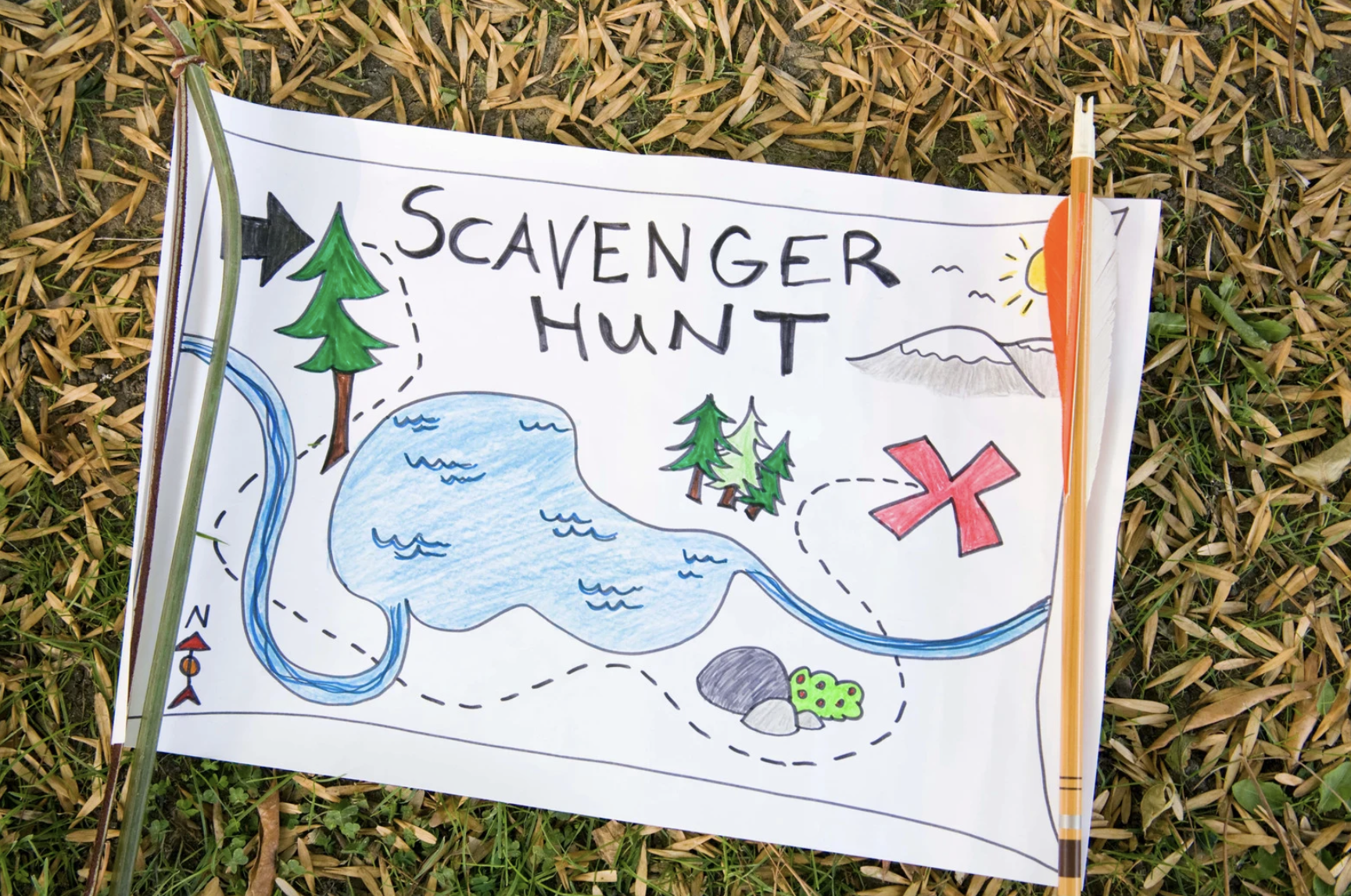
5. Indoor Scavenger Hunt
Create a scavenger hunt using everyday household items.
How to Play:
- List items for your children to find, such as a spoon, a book, a toy, or something blue.
- Set a timer and see how many they can find within the time limit.
Variations:
- Under 3: Use a shorter list with items they are familiar with and provide hints.
- Over 3: Create a themed scavenger hunt (e.g., colours, shapes) and encourage them to check off items as they find them.
Benefits:
This activity encourages exploration, problem-solving, and physical movement.

6. Story Time Yoga
Combine storytelling and movement with story time yoga.
How to Guide:
- Choose a simple story and identify key movements (e.g., stretching like a cat, flying like a bird).
- As you read, encourage your child to mimic the movements related to the story.
Variations:
- Under 3: Use simple and slow movements that they can easily follow.
- Over 3: Include more complex poses and ask them to create their own movements for parts of the story.
Benefits:
This promotes flexibility, mindfulness, and connection between physical activity and storytelling.

7. Kitchen Science Experiments
Turn your kitchen into a mini science lab with fun, safe experiments.
Ideas:
- Homemade Lava Lamp: Fill a clear bottle with water, add oil, and food colouring. Watch the bubbles rise and fall!
- Under 3:** Let them pour the ingredients with supervision.
- Over 3: Discuss what’s happening and why the oil and water don’t mix.
- Weather in a Jar: Create a mini tornado by swirling water in a jar with a lid on it.
- Under 3: Help them swirl the jar and observe together.
- Over 3: Encourage them to predict what will happen and discuss the results.
Benefits:
These experiments stimulate curiosity and introduce basic scientific concepts.

8. Weather-Themed Brain Teasers
Engaging young minds with weather-themed brain teasers can be both fun and educational. Here’s a detailed guide on how to execute these activities, including explicit instructions and variations for children under and over the age of 3.
What Am I? Riddles
How to Play:
- Explain the Game: Let the children know they will hear clues about an object related to weather, and they need to guess what it is.
- Give Clues: Start with simple riddles. For example:
- "I’m wet when I fall, but I’m not rain. What am I?" (Answer: Snow)
- "I’m bright and hot, and I can make you sweat. What am I?" (Answer: The sun)
- Encourage Discussion: After revealing the answer, discuss what the object does or how it relates to the weather.
Variations:
- Under 3: Use more visual aids, like pictures or toys, to represent the answers. Keep riddles simple and provide additional hints if they struggle.
- Over 3: Challenge them with more complex riddles or allow them to create their own riddles to share with the group. You can also introduce a scoring system for correct answers.

Weather Pictionary
How to Play:
- Gather Materials: Use a large piece of paper or a whiteboard and markers.
- Choose Weather Terms: Write down various weather-related words or phrases (e.g., rainbow, tornado, sunny).
- Draw and Guess: One child picks a term and draws it without using words while others guess what it is.
- Rotate Turns: After a correct guess, let a new child take their turn.
Variations:
- Under 3: Keep the terms simple and provide lots of encouragement. You can help them draw or even do it together to model the activity.
- Over 3: Introduce a timer for added excitement or create a theme for each round (e.g., storms, seasons). Encourage them to use more creative interpretations in their drawings.
Weather Sorting Game
How to Play:
- Gather Items: Collect various household items or pictures that represent different weather conditions (e.g., umbrella, sunglasses, snowflake cutout).
- Create Categories: Set up areas or containers labeled with different weather types (sunny, rainy, snowy, windy).
- Sort Together: Ask your children to sort the items into the correct categories. Discuss why each item belongs where it does.
Variations:
- Under 3: Use fewer items and help them with sorting. Focus on colors and shapes as additional categories.
- Over 3: Introduce more complex categories, like seasons or specific weather conditions (e.g., thunderstorms). Encourage them to explain their reasoning for sorting choice9os

Weather Bingo
How to Play:
- Create Bingo Cards: Make cards with different weather symbols or terms (e.g., sun, rain, cloud, snow).
- Call Out Terms: As you call out the weather terms, children will mark them on their Bingo cards.
- Winning: The first to complete a line (horizontal, vertical, or diagonal) shouts "Bingo!" and wins a small prize.
Variations:
- Under 3: Use larger images for easier recognition and provide assistance when marking their cards.
- Over 3: Create more complex cards with multiple images for a challenging experience. You can also introduce different patterns for winning (e.g., four corners, full card).

Weather Guessing Game
How to Play:
- Describe the Weather: One child describes a type of weather without naming it, using descriptive words (e.g., “It’s cold, and white, and you can throw it at someone.”).
- Guess the Weather: Other children guess what type of weather it is.
- Encourage Discussion: After the correct guess, discuss why they like or dislike that type of weather.
Variations:
- Under 3: Use very simple descriptions and provide hints as needed, focusing on sensory experiences (e.g., “It feels wet.”).
- Over 3: Encourage them to use more complex vocabulary and even ask them to describe their favourite weather and why.

9. Create a Mini Typhoon
Teach your children about typhoons while keeping it playful and safe.
Activity:
- Use a bowl of water to create waves (using your hands) while explaining how typhoons form.
- Under 3: Allow them to splash in the water and feel the movement.
-Over 3: Introduce concepts of wind and waves, using toys to show how they move.
Benefits:
This fosters an understanding of weather phenomena in a hands-on way.

10. DIY Indoor Bowling
Create a bowling alley using items found at home.
How to Set It Up:
- Use empty plastic bottles as pins and a soft ball as the bowling ball.
- Set them up in a hallway and take turns knocking them down.
Variations:
- Under 3: Use soft toys instead of a ball to roll gently.
- Over 3: Create teams and keep score for added competition.
Benefits:
This activity develops hand-eye coordination and can be a fun competition.

11. Puppet Show
Encourage creativity through storytelling with a puppet show.
How to Create:
- Use socks or paper bags to create puppets.
- Have your child come up with a short story and perform it for the family.
Variations:
- Under 3: Help them with simple stories and use expressive voices.
- Over 3: Challenge them to create their own characters and elaborate plots.
Benefits:
This enhances creativity, boosts confidence, and improves communication skills.
Conclusion
Typhoons can disrupt routines, but they also offer a unique opportunity for families to bond and engage in creative activities at home. By incorporating movement, arts, and educational games, parents can keep their little ones active and entertained, turning a challenging situation into a memorable experience.
Remember to adapt these activities based on your children's interests and the space available in your home. With a little creativity, you can ensure that the time spent indoors is not only active but also enriching. Stay safe, stay creative, and enjoy this time together!
Latest posts

Our brand-new Minisport Hub is officially open, offering summer camps, weekend drop-ins, and Term 1 classes in a fun, safe, and modern environment. We’re also excited to share we have introduced cricket to term 1, refreshed our coaches’ first aid skills, and enjoyed a team day out. Plus, we’re expanding globally — Minisport Taiwan is launching soon!
Encouraging safe sun exposure through outdoor play is essential for children's physical, emotional, and mental well-being. At Minisport, we balance fun in the sun with thoughtful safety measures and indoor options to ensure kids stay healthy, active, and happy all summer long in Hong Kong.
